
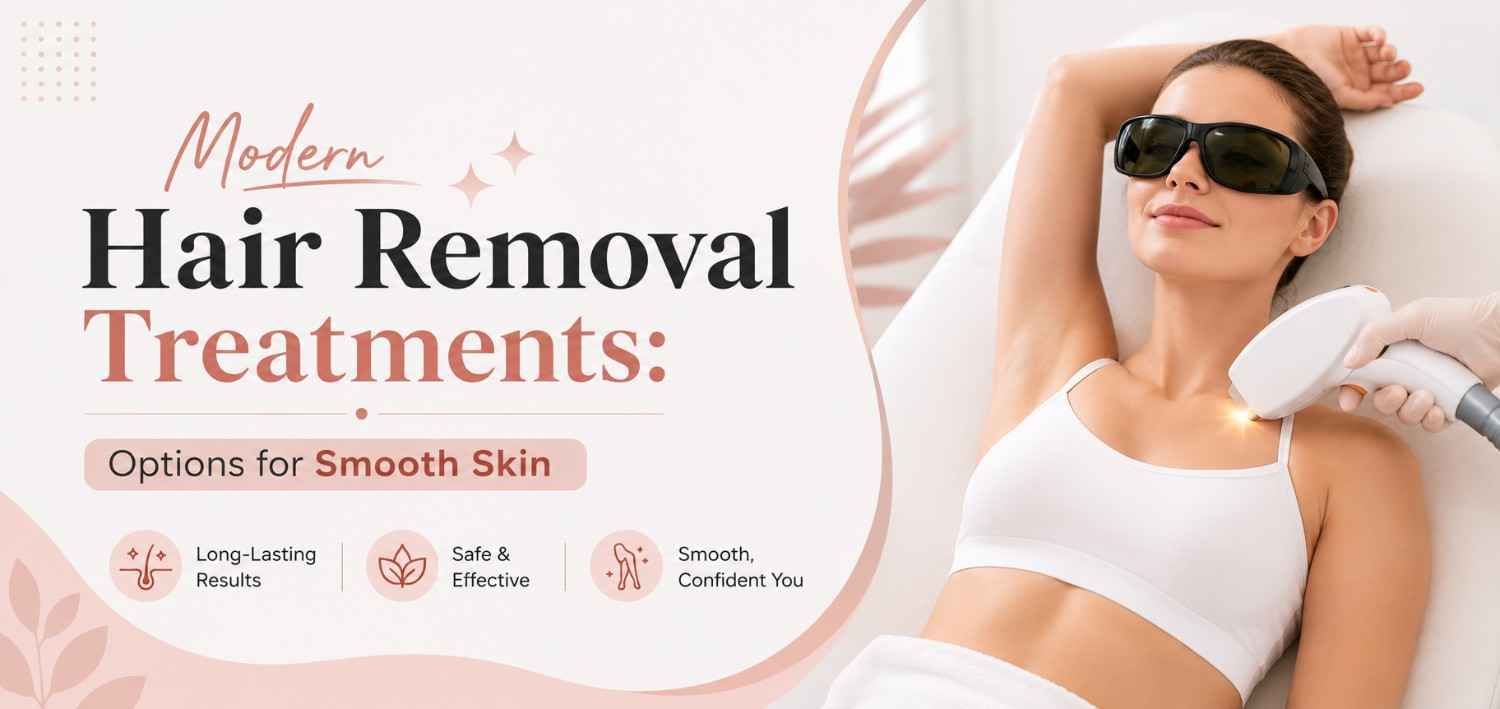
Removing unwanted hair has become easier with advanced techniques that suit different skin types, hair textures, and personal preferences. Modern methods focus on comfort, convenience, and longer-lasting results compared with traditional grooming routines. While no single solution works for everyone, available options provide flexibility for people seeking smoother skin with less maintenance. Choosing the right method depends on several factors, including lifestyle, budget, pain tolerance, and desired results, making informed decisions essential for lasting satisfaction.
Why Are Modern Hair Removal Methods Popular?
Many people prefer treatments that reduce frequent shaving or waxing sessions. Modern procedures offer improved precision and longer intervals between maintenance appointments.
Moreover, technological improvements have increased treatment options for different skin tones and hair types. Consequently, more individuals can select methods that align with their personal grooming goals.
Key Reasons for Growing Interest
Several benefits make advanced hair removal methods appealing.
- Longer-lasting results
- Reduced grooming frequency
- Improved skin appearance
- Lower risk of ingrown hairs
- Better convenience
- Increased treatment accuracy
These advantages support a more efficient personal care routine while reducing daily maintenance.
Popular Hair Removal Options
Modern hair removal includes several techniques, each designed to meet different needs and expectations.
Some methods remove hair temporarily, while others focus on long-term reduction. Therefore, comparing available choices helps identify the most suitable option.
Laser-Based Procedures
Laser technology targets pigment inside active hair follicles and weakens future growth.
After multiple sessions, many individuals experience finer and slower regrowth. Furthermore, maintenance requirements often decrease significantly compared with traditional methods.
Intense Pulsed Light Systems
Intense pulsed light uses broad-spectrum light rather than a single laser wavelength.
Although treatment principles remain similar, results may vary according to equipment settings, hair color, and skin characteristics.
Waxing
Waxing removes hair from the root and provides smooth skin for several weeks.
However, repeated appointments become necessary because follicles remain capable of producing new hair after each session.
Sugaring
Sugaring relies on a natural paste that removes hair from the root.
Many people appreciate its gentle application and simple ingredients, especially when seeking an alternative to traditional waxing.
How Advanced Treatments Work
Modern procedures target hair more effectively than surface-level methods.
Instead of simply cutting visible strands, many treatments affect the follicle itself. Consequently, hair often grows back thinner and less noticeable over time.
Multiple sessions remain important because follicles pass through different growth stages.
Hair Growth Cycles
Hair develops through three primary phases.
- Active growth
- Transition
- Resting
Treatments achieve the best results during active growth. Therefore, scheduled appointments maximize overall effectiveness by reaching follicles at different stages.
Benefits Beyond Hair Reduction
Modern techniques provide advantages beyond smoother skin.
Reduced shaving frequency often decreases razor irritation and skin friction. Moreover, many individuals experience fewer ingrown hairs and improved skin texture after completing recommended sessions.
These improvements contribute to greater comfort and easier long-term maintenance.
Time-Saving Advantages
Busy lifestyles increase the value of efficient grooming routines.
Less frequent maintenance creates additional personal time while simplifying daily schedules. Consequently, many people appreciate the convenience offered by longer-lasting methods.
Factors That Influence Treatment Success
Results differ because every individual has unique biological characteristics.
Hair color, skin tone, hormones, and treatment consistency all influence long-term effectiveness. Consequently, personalized planning remains important before beginning any procedure.
Hair Characteristics
Dark, coarse hair generally responds well to light-based technology because pigment absorbs energy efficiently.
Very fine or light-colored hair may require additional sessions or alternative approaches for satisfactory reduction.
Hormonal Influences
Hormonal changes can activate previously dormant follicles.
Pregnancy, aging, and certain medical conditions may contribute to future hair growth even after successful treatment. Therefore, maintenance sessions often support lasting results.
Comparing Temporary and Long-Term Methods
Temporary methods provide immediate results but require continuous repetition.
Shaving removes hair at the surface, while waxing and sugaring remove it from the root without permanently affecting follicle activity.
Long-term procedures focus on reducing future growth, making maintenance less demanding over extended periods.
Comparison Points
Consider these important differences:
- Duration of smoothness
- Cost over time
- Comfort level
- Maintenance frequency
- Skin sensitivity
- Risk of irritation
Evaluating these factors helps match treatments with individual priorities.
Preparing Before Treatment
Preparation supports safer procedures and more effective outcomes.
Following recommended instructions before appointments helps protect the skin while improving treatment efficiency. In addition, avoiding unnecessary irritation before sessions creates better conditions for recovery.
Healthy skin responds more consistently than damaged or inflamed skin.
Helpful Preparation Tips
Simple preparation measures include:
- Keep skin clean
- Avoid excessive sun exposure
- Shave when instructed
- Stay hydrated
- Avoid harsh skincare products
- Follow professional recommendations
Good preparation contributes to a smoother treatment experience.
Aftercare for Better Results
Proper aftercare protects treated skin and supports long-term improvement.
Moisturizing, gentle cleansing, and sun protection reduce irritation while encouraging healthy recovery. Furthermore, avoiding unnecessary friction helps maintain skin comfort after each session.
Consistent aftercare complements the treatment process and supports lasting satisfaction.
Choosing the Right Treatment
Selecting the best option requires balancing expectations with practical considerations.
People seeking minimal maintenance often prefer procedures that reduce long-term hair growth. Others may prioritize affordability or immediate results through temporary methods.
Anyone searching for a top laser hair removal treatment should evaluate skin type, hair characteristics, treatment goals, and maintenance expectations before making a decision.
Questions Worth Considering
Before selecting a method, consider:
- How long should results last?
- How much maintenance is acceptable?
- What is the available budget?
- Is skin sensitive?
- What level of discomfort feels manageable?
- Are hormonal factors present?
Answering these questions creates a stronger foundation for choosing the most suitable approach.
Future Trends in Hair Removal
Technology continues to improve treatment precision and patient comfort.
Advanced equipment offers better customization for varying skin tones and hair textures. Moreover, shorter treatment times and improved cooling systems enhance the overall experience for many individuals.
Innovation continues to support safer procedures and greater convenience without changing the core principle of reducing unwanted hair growth.
Conclusion
Modern hair removal treatments provide flexible solutions for people seeking smoother skin and reduced maintenance. Each method offers distinct advantages, making personal goals and biological factors important when selecting the right approach. Consistent care, realistic expectations, and proper aftercare contribute to better long-term results while supporting healthier skin and greater confidence in everyday grooming routines.
FAQs
1. What are modern hair removal treatments?
Modern treatments include laser procedures, intense pulsed light systems, waxing, sugaring, and other advanced methods designed to reduce unwanted hair with varying durations of effectiveness and maintenance requirements.
2. Which method provides the longest-lasting results?
Light-based procedures generally offer longer-lasting reduction because they target hair follicles directly. Temporary methods remove existing hair but allow full regrowth after a limited period.
3. Are modern treatments suitable for sensitive skin?
Many treatments accommodate sensitive skin with proper planning and aftercare. Individual reactions differ, so treatment selection should consider skin condition and personal sensitivity.
4. How many sessions are usually required?
Most long-term methods require multiple sessions because hair grows in different cycles. Repeated appointments improve overall coverage and increase the likelihood of lasting reduction.
5. Can hair return after treatment?
Some regrowth may occur because dormant follicles activate naturally or hormonal changes influence hair production. Returning hair often appears finer and less noticeable than before.
6. Do modern treatments reduce ingrown hairs?
Many advanced methods decrease ingrown hairs by reducing follicle activity and minimizing frequent shaving, leading to smoother skin and improved comfort.
7. Is aftercare important following treatment?
Yes. Proper aftercare supports healthy recovery, minimizes irritation, and helps maintain treatment effectiveness while protecting the skin from unnecessary stress.
8. Which factors affect treatment success?
Hair color, skin tone, hormones, biological differences, and treatment consistency all influence long-term outcomes and overall satisfaction with the chosen method.
9. Can temporary and long-term methods be combined?
Many individuals combine different approaches depending on lifestyle, treatment schedules, and personal preferences. Flexible routines often provide practical solutions for changing needs.
10. How should someone choose the best option?
The best choice depends on budget, skin sensitivity, hair characteristics, maintenance expectations, and desired results. Careful evaluation of these factors supports a practical and satisfying decision.