
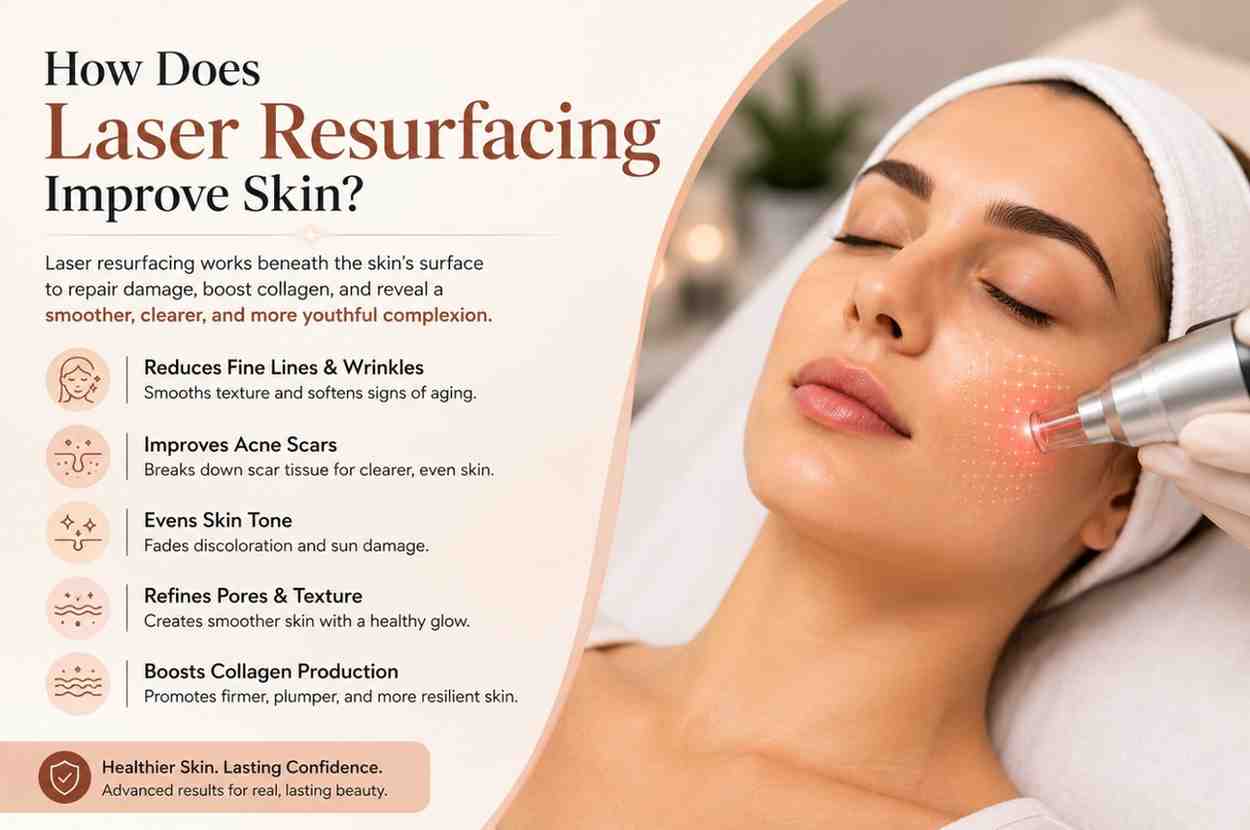
Healthy skin reflects consistent care, balanced lifestyle habits, and effective treatment choices. Among modern cosmetic procedures, laser resurfacing has gained attention for its ability to address multiple skin concerns through controlled energy delivery. The procedure stimulates natural renewal processes that improve texture, tone, and overall appearance without changing facial features. While individual results vary, many people choose this option to reduce visible imperfections and encourage smoother, healthier-looking skin over time.
Why Does Skin Change Over Time?
Skin continuously renews itself, yet natural aging and environmental factors gradually slow this process. As collagen production declines, fine lines, uneven texture, and discoloration become more noticeable.
Moreover, sun exposure, pollution, and lifestyle habits can weaken skin structure. Consequently, many people seek treatments that encourage natural regeneration rather than simply masking surface concerns.
Common Skin Concerns
Several issues affect skin appearance over time.
- Fine lines
- Wrinkles
- Uneven texture
- Sun damage
- Acne scars
- Enlarged pores
- Pigmentation irregularities
- Dull complexion
Laser resurfacing targets many of these concerns through controlled skin renewal.
How Laser Resurfacing Works
Laser resurfacing directs concentrated light energy toward the skin with precise control. The treatment removes damaged outer layers or heats deeper tissues, depending on the selected technique.
As the skin responds, natural healing processes stimulate collagen production and encourage fresh cell growth. Therefore, gradual improvement continues even after the initial recovery period.
The Role of Collagen
Collagen provides structure, firmness, and elasticity.
As collagen levels increase following treatment, skin gains improved support from within. Furthermore, enhanced collagen production helps soften lines and refine texture while promoting a healthier appearance.
Improving Skin Texture
Uneven texture often develops because of aging, acne scars, or environmental damage. Laser resurfacing smooths irregularities by encouraging fresh skin formation.
Consequently, rough areas gradually become softer and more refined. Many individuals notice that makeup applies more evenly while skin feels smoother during daily care routines.
Benefits for Surface Irregularities
Texture improvements may include:
- Softer skin
- Reduced rough patches
- Smaller visible pores
- Improved smoothness
- More even surface
- Better skin clarity
These changes contribute to a fresher and healthier appearance.
Reducing Fine Lines and Wrinkles
Fine lines appear as collagen and elastin naturally decline.
Laser resurfacing stimulates structural proteins that strengthen skin support. Moreover, renewed tissue gradually softens shallow wrinkles, creating a firmer and more youthful look.
Although deep wrinkles may require additional treatments, many moderate signs of aging improve significantly with proper care.
Enhancing Skin Tone
Uneven pigmentation often results from sun exposure, aging, or previous inflammation.
Laser resurfacing promotes new cell turnover that replaces damaged surface layers. Consequently, discoloration gradually fades while overall skin tone becomes more balanced.
Conditions That May Improve
Treatment may benefit concerns such as:
- Sun spots
- Age spots
- Mild pigmentation
- Uneven complexion
- Post-inflammatory marks
- Surface discoloration
Results depend on skin type and treatment approach.
Supporting Natural Skin Renewal
Healthy skin constantly replaces old cells with new ones.
Laser resurfacing accelerates this renewal process by triggering controlled healing responses. Therefore, fresh skin cells emerge while damaged tissue gradually sheds.
This natural cycle contributes to improved brightness, softness, and overall quality without altering facial expression or natural features.
Improving Acne Scar Appearance
Acne scars often create an uneven texture that affects skin smoothness.
Laser resurfacing stimulates collagen beneath scarred areas, helping lift depressed tissue gradually. Moreover, skin remodeling continues for several months after treatment, allowing progressive improvement.
While severe scars may require multiple sessions, many individuals notice meaningful changes in texture and appearance.
Scar Improvement Benefits
Potential improvements include:
- Smoother skin
- Softer scar edges
- Better skin uniformity
- Enhanced confidence
- Improved light reflection
- More balanced texture
Collagen remodeling remains a key factor behind these visible changes.
Increasing Skin Firmness
Firm skin depends on healthy collagen and elastin fibers.
Laser energy stimulates these structural components, allowing skin to regain better support over time. Consequently, mild laxity may improve while facial contours appear more refined.
Natural firmness develops gradually rather than immediately, making patience important throughout the recovery process.
Minimizing Enlarged Pores
Large pores often become more noticeable because of reduced elasticity and uneven texture.
As collagen strengthens surrounding tissue, pore visibility may decrease. Furthermore, smoother skin reflects light more evenly, creating a refined appearance that contributes to healthier-looking skin.
Improvement varies according to genetics, oil production, and skin condition.
Recovery and Skin Healing
Healing plays a vital role in achieving successful outcomes.
Following treatment, the skin begins repairing microscopic changes created by laser energy. Consequently, redness and sensitivity gradually decrease while fresh skin develops underneath.
Proper aftercare supports healthy recovery and protects newly treated tissue during this important stage.
Helpful Recovery Habits
Several habits encourage better healing.
- Keep skin moisturized
- Avoid direct sunlight
- Use gentle skincare products
- Stay hydrated
- Follow professional instructions
- Avoid unnecessary irritation
Consistent care helps maximize treatment benefits while reducing recovery concerns.
Who May Benefit Most?
Laser resurfacing suits many individuals seeking visible skin improvement without invasive surgery.
People with fine lines, acne scars, uneven texture, or mild pigmentation often achieve satisfying outcomes. However, skin type, medical history, and treatment goals influence overall suitability.
Careful evaluation helps identify the most appropriate treatment approach for each individual.
Long-Term Benefits
Laser resurfacing provides gradual improvement that continues as collagen develops.
Many individuals notice smoother texture, better tone, improved elasticity, and healthier overall appearance months after treatment. Moreover, proper skincare and sun protection help preserve these benefits for longer periods.
Long-term success depends on skin maintenance as well as the body’s natural healing response.
Conclusion
Laser resurfacing improves skin by encouraging natural renewal, stimulating collagen production, and refining texture through controlled treatment methods. The procedure addresses multiple cosmetic concerns while supporting healthier skin structure from within. Consistent aftercare and realistic expectations enhance long-term outcomes, allowing smoother, firmer, and more balanced skin to develop gradually through the body’s own regenerative processes.
FAQs
1. How does laser resurfacing improve skin?
Laser resurfacing stimulates collagen production and encourages fresh skin cell growth. As damaged tissue renews, texture, tone, and firmness improve while fine lines and surface imperfections become less noticeable.
2. Can laser resurfacing reduce wrinkles?
The procedure softens many fine lines and mild wrinkles by increasing collagen beneath the skin. Deeper wrinkles may require additional treatments or combination approaches for more significant improvement.
3. Does laser resurfacing help acne scars?
Many acne scars improve because collagen remodeling gradually fills uneven areas and smooths skin texture. Results depend on scar depth, skin condition, and treatment intensity.
4. How long does recovery usually take?
Recovery varies according to treatment type and skin sensitivity. Mild procedures often heal within days, while deeper resurfacing may require several weeks for complete recovery.
5. Can laser resurfacing improve skin tone?
Yes. The treatment promotes fresh cell turnover that reduces uneven pigmentation and surface discoloration, helping create a more balanced and refreshed complexion over time.
6. Is collagen production important after treatment?
Collagen provides strength and elasticity. Increased collagen production following laser resurfacing supports firmer skin, smoother texture, and gradual improvement in visible signs of aging.
7. Will enlarged pores become smaller?
Many individuals notice reduced pore visibility because stronger collagen supports surrounding tissue and improves overall skin texture, although genetics continue to influence pore size.
8. Does laser resurfacing remove damaged skin?
Certain resurfacing techniques remove damaged outer layers while stimulating deeper repair processes. This combination encourages healthier skin renewal and improved surface quality.
9. How can results last longer?
Consistent skincare, daily sun protection, healthy lifestyle habits, and proper hydration help preserve smoother skin and support the long-term benefits achieved through treatment.
10. Is laser resurfacing suitable for every skin concern?
The procedure addresses many texture and pigmentation concerns effectively. However, treatment suitability depends on skin type, medical history, expectations, and the specific condition requiring improvement.