
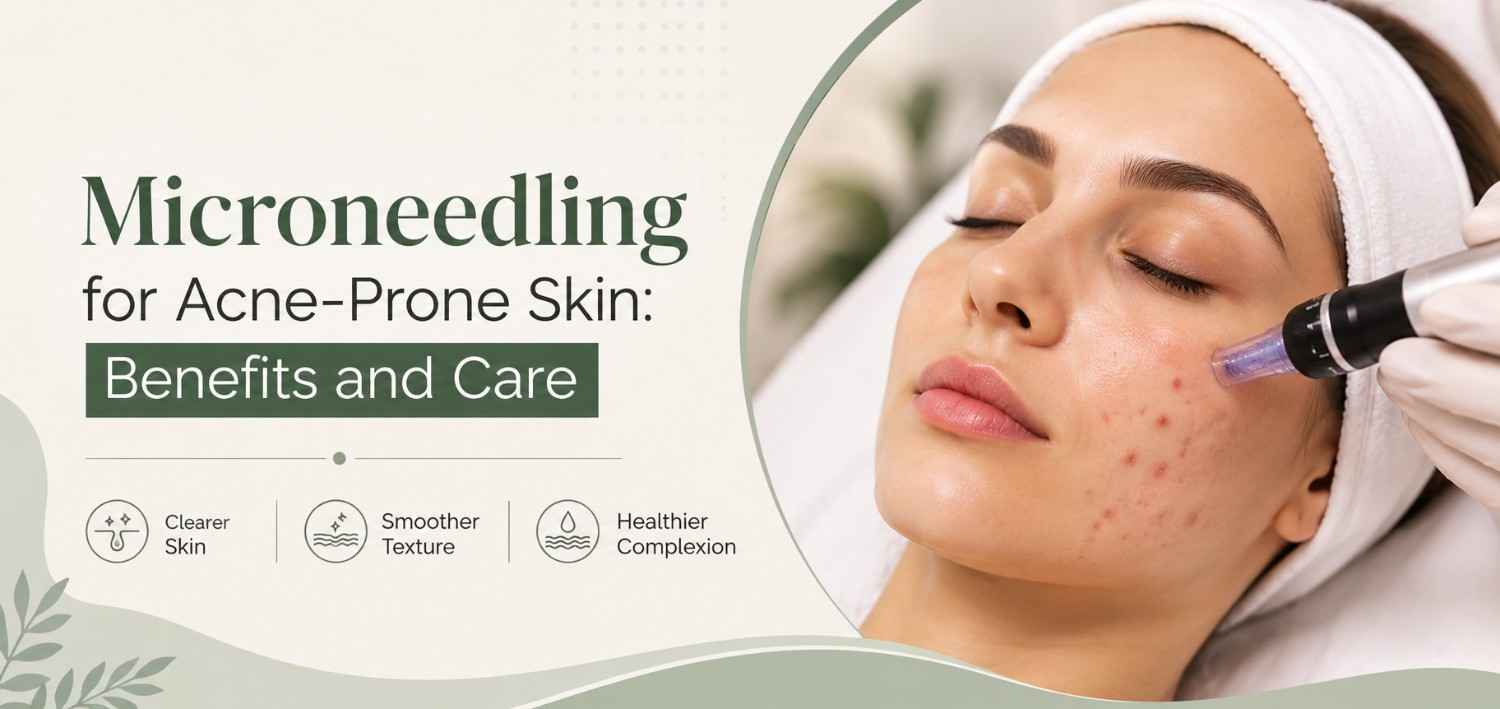
Acne-prone skin often requires careful treatment because excessive irritation may worsen existing concerns or create new problems. Microneedling has become a popular cosmetic procedure that stimulates natural skin renewal through controlled micro-injuries. The treatment encourages collagen production while supporting gradual improvement in skin texture and acne scars. Although results vary among individuals, proper assessment, treatment planning, and aftercare contribute significantly to healthier-looking skin and long-term satisfaction.
What Is Microneedling?
Microneedling uses fine sterile needles to create tiny channels within the skin surface. These controlled micro-injuries activate the body’s natural repair process and stimulate collagen and elastin production.
Moreover, skin renewal continues after the procedure as fresh cells replace damaged tissue. Consequently, many individuals notice gradual improvements in texture, firmness, and overall appearance after completing recommended sessions.
How the Procedure Supports Skin Renewal
The treatment encourages several natural responses.
- Collagen production
- Elastin formation
- Cell regeneration
- Improved skin texture
- Better scar remodeling
- Enhanced skin quality
These biological processes contribute to visible improvements over time.
Why Acne-Prone Skin Needs Special Care
Acne-prone skin reacts differently from healthy skin because inflammation, clogged pores, and active breakouts increase sensitivity.
Therefore, treatment timing becomes important. Performing microneedling on active inflammatory acne may increase irritation, whereas treating healed skin with acne scars often produces more favorable outcomes.
Proper evaluation helps determine whether the skin is ready for treatment.
Common Challenges of Acne-Prone Skin
Several concerns frequently affect acne-prone individuals.
- Acne scars
- Uneven texture
- Enlarged pores
- Post-acne marks
- Excess oil production
- Mild pigmentation changes
Addressing these concerns requires a balanced and patient approach.
How Microneedling Helps Acne Scars
Acne scars develop when inflammation damages deeper skin structures. Microneedling stimulates collagen beneath these depressed areas, encouraging gradual remodeling.
As collagen rebuilds the skin framework, shallow scars often become less noticeable. Furthermore, smoother skin reflects light more evenly, creating a healthier appearance.
Several treatment sessions usually provide better improvement than a single procedure.
Improving Skin Texture
Uneven skin texture remains a common concern after acne clears. Small depressions, rough patches, and irregular surfaces may affect overall appearance.
Microneedling promotes fresh tissue development that gradually softens these imperfections. Consequently, the skin becomes smoother while maintaining its natural structure.
Texture Benefits
Many individuals seek treatment for improvements such as:
- Smoother skin
- Softer acne scars
- Better skin refinement
- Reduced roughness
- Improved firmness
- More balanced surface texture
Visible changes continue developing during the healing process.
Collagen Production and Skin Strength
Collagen provides structural support that keeps skin firm and resilient.
As microneedling stimulates collagen synthesis, weakened areas receive renewed support from beneath the surface. Moreover, enhanced collagen production improves elasticity while helping minimize the appearance of previous acne damage.
Natural regeneration continues for weeks after each treatment session.
Can Microneedling Reduce Enlarged Pores?
Enlarged pores often become more noticeable after repeated acne episodes and excess oil production.
Microneedling strengthens surrounding skin through collagen remodeling, which may reduce the appearance of enlarged pores. Consequently, the overall complexion often appears smoother and more refined.
Although genetics influence pore size, stronger skin structure can improve visual appearance.
Factors That Affect Results
Treatment outcomes depend on several variables.
- Skin condition
- Scar depth
- Age
- Healing ability
- Treatment consistency
- Daily skincare routine
Individual biology plays an important role in the final results.
Importance of Proper Aftercare
Aftercare significantly influences recovery and treatment success.
Freshly treated skin remains sensitive during the healing period. Therefore, gentle skincare, hydration, and sun protection support natural recovery while reducing unnecessary irritation.
Following appropriate aftercare recommendations allows collagen production to continue without avoidable stress on the skin.
Helpful Recovery Practices
Simple habits encourage healthy healing.
- Keep skin moisturized
- Avoid excessive sun exposure
- Use gentle cleansers
- Stay hydrated
- Avoid harsh exfoliants
- Follow treatment instructions carefully
Consistent care supports better long-term improvement.
Who May Benefit from Microneedling?
Many people with post-acne texture concerns consider microneedling because it supports natural collagen production rather than relying solely on surface treatments.
Individuals with healed acne scars, uneven skin texture, and mild skin laxity often experience gradual improvement after multiple sessions. However, active inflammatory acne may require separate management before treatment begins.
Proper timing contributes to safer and more effective outcomes.
Limitations to Consider
Microneedling improves many cosmetic concerns, yet it cannot eliminate every type of scar or skin condition.
Deep scars may require combination treatments or extended treatment plans for noticeable improvement. Similarly, hormonal acne continues to require appropriate medical management rather than cosmetic procedures alone.
Realistic expectations encourage greater satisfaction throughout the treatment process.
Supporting Long-Term Skin Health
Healthy skin depends on consistent care beyond cosmetic procedures.
Balanced nutrition, hydration, quality sleep, stress management, and daily sun protection all contribute to stronger skin function. Moreover, a gentle skincare routine helps preserve treatment benefits while supporting ongoing collagen maintenance.
Long-term improvement reflects both professional treatment and healthy daily habits.
Daily Habits That Support Results
Consider maintaining these routines:
- Wear sunscreen regularly
- Cleanse gently
- Stay hydrated
- Eat balanced meals
- Sleep adequately
- Avoid unnecessary skin irritation
Simple habits strengthen skin resilience over time.
Conclusion
Microneedling offers a valuable option for improving acne-prone skin affected by scars, uneven texture, and reduced collagen support. By encouraging natural healing and tissue regeneration, the procedure promotes smoother and healthier-looking skin through gradual improvement. Consistent aftercare, realistic expectations, and long-term skincare habits strengthen treatment outcomes while supporting lasting skin quality and confidence.
FAQs
1. Is microneedling suitable for acne-prone skin?
Microneedling may benefit acne-prone individuals with healed scars and uneven texture. However, active inflammatory acne often requires careful assessment before treatment to reduce unnecessary irritation.
2. How does microneedling improve acne scars?
The treatment stimulates collagen production beneath scarred areas, encouraging gradual tissue remodeling that softens depressed scars and creates a smoother skin surface.
3. Can microneedling help enlarged pores?
Collagen remodeling strengthens surrounding tissue, which may reduce the visible appearance of enlarged pores while improving overall skin texture and firmness.
4. Does the procedure improve skin texture?
Yes. Fresh collagen formation and natural cell renewal help smooth rough areas, soften irregularities, and create a more refined complexion over time.
5. How many sessions are usually needed?
Several treatment sessions often produce better results than a single procedure because collagen remodeling develops gradually with repeated stimulation and natural healing.
6. Can microneedling remove all acne scars?
The procedure improves many scars but may not eliminate deep or severe scars completely. Treatment outcomes depend on scar type, depth, and individual healing response.
7. Why is aftercare important?
Proper aftercare protects sensitive skin, supports healthy healing, reduces irritation, and allows collagen production to continue effectively during the recovery period.
8. Does collagen production continue after treatment?
Yes. Collagen remodeling continues for several weeks after microneedling, contributing to gradual improvements in skin strength, firmness, and texture.
9. Can active acne be treated with microneedling?
Many practitioners recommend addressing active inflammatory acne before performing microneedling because inflamed skin may respond less favorably during treatment.
10. What supports the best long-term results?
Healthy skincare habits, hydration, sun protection, balanced nutrition, and consistent treatment schedules help preserve improvements while supporting ongoing skin renewal.